

A calendar spread pairs options with the same strike and type but different expiration dates. A common long calendar buys the farther-dated option and sells the nearer-dated one. The position’s value can respond differently to time decay, implied volatility, and a move in the underlying, so the expiration dates alone do not define its risk.
Get a free day pass to observe the live SPXGODFATHER trading room on Zoom.

What is a calendar spread?
Calendar spreads pair same-strike options across expirations, making the nearer-term and farther-term contracts respond differently to time and volatility.
For SPXGODFATHER readers, a calendar spread is a two-leg options position with the same strike and option type but different expirations. In a common long version, the farther-dated option is purchased and the nearer-dated option is sold. Its value reflects both contracts, the underlying price, time, implied volatility, and execution costs.
A calendar spread, also called a horizontal or time spread, uses two options on the same underlying with the same strike and option type, but different expiration dates. In a standard long calendar, a trader buys the later expiration and sells the nearer expiration, usually for a net debit. It is a two-leg position, not a single option with one expiration.
The spread’s payoff depends on where the underlying trades, the time remaining on each leg, the implied volatility assigned to each expiration, and the cost of entering and exiting. A calendar is often discussed as a volatility-and-time structure, but there is no fixed outcome from merely holding the price near the strike. The relevant values change with market conditions and the options’ separate Greeks.
For SPX options, verify the actual expiration and settlement specifications shown by your broker. SPX index options are cash-settled and European-style, but those features do not remove price, volatility, liquidity, or execution risk. This guide explains mechanics only, not a recommendation to enter a position.
How is a long calendar spread constructed?
A long calendar commonly buys the farther expiration and sells the nearer one at the same strike and with the same call-or-put type.
In SPXGODFATHER’s hypothetical example, choose one call strike, buy a call with a later expiration, and sell a call with an earlier expiration at that same strike. The opening price is the combined net debit or credit from both fills. The legs remain separate contracts, each with its own price and Greeks.
For example, consider a hypothetical call calendar using an index level of 5,000 as the shared strike. The trader buys one 5,000 call expiring in a later cycle and sells one 5,000 call expiring sooner. If the long option costs more than the short option brings in, the opening position is a net debit. The two options remain separate contracts with different expiration dates and potentially different implied volatilities.
- Same strike: Both legs refer to the same strike in this standard horizontal calendar example.
- Same option type: The example uses two calls. A put calendar uses two puts.
- Different expirations: The purchased contract expires later than the sold contract.
- Net entry price: Record the actual debit or credit after both legs fill, not an assumed midpoint.
Do not confuse a calendar with a diagonal spread. A diagonal spread also varies the strike, which changes the payoff profile in addition to changing expiration. Advanced comparisons are outside this guide’s scope. The objective here is to understand why the different expirations create exposures that can shift as the near-term option approaches expiration.
Why does time decay affect each leg differently?
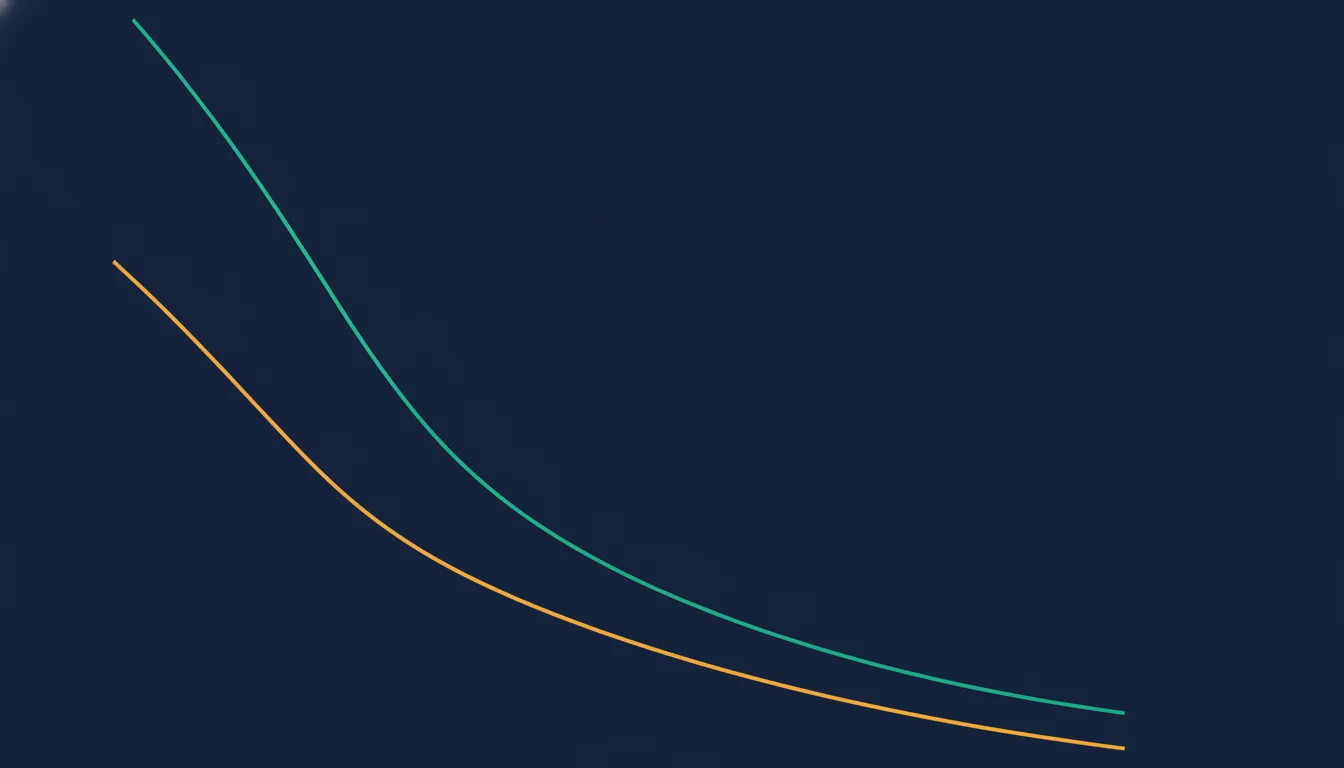
The nearer-term option often loses extrinsic value faster near expiration, but the spread’s net theta changes with price, volatility, and time.
SPXGODFATHER emphasizes that theta estimates, rather than guarantees, how option value may change with time. The nearer-dated short option may lose time value faster for part of a long calendar’s life, while the longer-dated option also decays. Underlying moves, implied-volatility changes, and shifting Greeks can offset or outweigh that difference.
Theta estimates how an option’s value may change as time passes, with other inputs held constant. It is not a guaranteed daily amount. A short nearer-dated option may decay faster than a longer-dated long option in some conditions, which can support the long calendar’s value before the short leg expires. But the short leg’s time decay is not a standalone profit engine: a price move or volatility shift can offset or overwhelm it.
As the nearer expiration approaches, the short option’s gamma can increase, especially near the strike. That means its delta may change rapidly as the underlying moves. If the short option expires or is closed, the original two-leg position no longer exists in its initial form. The remaining longer-dated option has its own directional, volatility, and time-decay exposure. The trader must understand that changed position rather than treating expiration as an automatic win or harmless roll point.
The model Greeks are estimates based on assumptions, not forecasts. Review the combined position Greeks and each leg separately, then ask how they may change if the underlying moves, implied volatility changes, or time passes faster than expected.
How does implied volatility change calendar-spread risk?
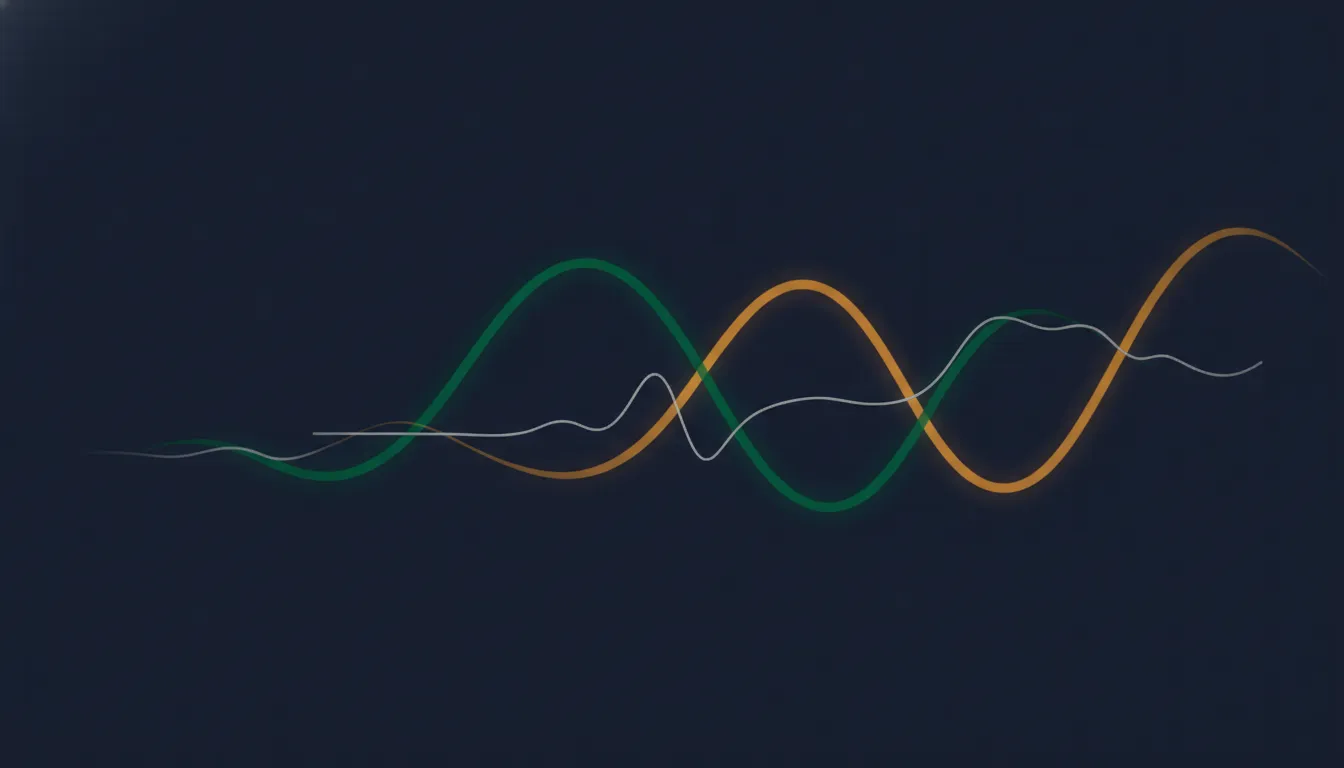
A long calendar often has positive net vega, yet volatility changes across the two expirations can produce uneven results.
At SPXGODFATHER, the educational point is that a standard long calendar may have positive net vega because the later-dated option often responds more to implied volatility. This is not universal across market conditions or strikes. Each expiration can experience a different volatility change, so falling volatility or an uneven volatility shift can reduce the spread’s value.
Vega estimates an option’s sensitivity to a change in implied volatility. The farther-dated option commonly has more vega than the nearer-dated option, so a long calendar may benefit when volatility rises, all else equal. The phrase “all else equal” matters: the two expirations can have different implied-volatility levels and can move by different amounts. A volatility drop can reduce the long option’s value, while a sharp move in the short leg’s implied volatility can also change the spread.
Implied volatility is a market pricing input, not a promise that the underlying will move by a particular amount. The VIX is an index derived from SPX option prices and does not tell a trader exactly what will happen to a specific calendar’s two contracts. For a refresher on volatility measures and option pricing, see SPX implied volatility and VIX.
Before evaluating a hypothetical position, check the implied volatility for both expirations rather than relying on one headline volatility number. Consider at least a rise, a decline, and no material change. The spread can lose value even when one Greek appears favorable if other pricing inputs move against it.
Join SPXGODFATHER’s live Zoom room for a free day pass and observe the educational discussion.
What happens when the underlying moves?
Price movement can help or hurt depending on its size, direction, timing, and the strike’s location relative to the underlying.
SPXGODFATHER teaches that the underlying’s path matters because each option has a different expiration and sensitivity. A move near the shared strike may affect the nearer leg more sharply as expiry approaches. A fast move away can also change both legs’ values, so outcomes require modeling both contracts.
A long calendar is often described as seeking a relatively contained move near the shared strike through the near expiration, but that description is only a simplified scenario. A sharp move away from the strike can change the short and long options’ deltas and values at different rates. The near-term leg may become more sensitive close to expiration, while the longer-dated leg retains time value. There is no universal profit zone that can be stated without the specific strikes, premiums, dates, volatility assumptions, and exit time.
Here is a deliberately simplified, hypothetical illustration. Suppose a trader pays a net debit of 12 index points for a one-lot call calendar. Ignore fees for the arithmetic. If the position is later closed for 18 points, the gross difference is 6 points before costs. If it is closed for 7 points, the gross difference is a 5-point loss. Those closing values are examples only, not projected or typical outcomes, and they cannot be inferred from the underlying price alone.
At the nearer expiration, the position’s value is still a function of the remaining longer-dated option, any remaining short-option value before expiration, volatility, and executable prices. A payoff sketch at that moment is not the same as a guaranteed expiration payoff. A trader should model the exact position using the broker’s current option prices and understand assumptions behind the displayed graph.
How do liquidity and execution affect the trade?
Both legs need workable markets; a quoted spread or midpoint is not proof that a two-leg order can fill there.
SPXGODFATHER explains that a calendar spread’s displayed net price does not guarantee an execution at that level. The two expirations can have different bid-ask spreads, sizes, and trading activity. Slippage, partial fills, commissions, and rapidly changing quotes affect actual results, so assess each leg and the combined order before placing it.
Calendar spreads involve separate options that may have different bid-ask widths, trading activity, and displayed size. A quoted net price is affected by the prices and liquidity of both legs. Fast markets, less-active strikes, approaching expiration, and volatility changes can widen quotes or make displayed prices stale. The cost of entering, adjusting, or closing may therefore be different from a theoretical mark on a chart.
- Inspect bid, ask, spread, and displayed size for each expiration and strike.
- Check that the broker’s multi-leg order shows the intended buy and sell directions.
- Use a limit price that reflects the net debit or credit you are willing to accept; a limit order may remain unfilled.
- Account for commissions, fees, slippage, and partial fills in the position’s economics.
- Recheck prices before an adjustment; the market may have moved since the initial analysis.
Volume and open interest provide context but do not guarantee liquidity or a specific fill. For broader SPX execution context, read how options quotes and liquidity work. For strike-level mechanics, see how gamma can change near expiration.
Which risk questions should a trader answer first?
Know the debit, the post-expiration position, and the market assumptions before considering any multi-leg options trade.
SPXGODFATHER’s risk-first approach asks readers to identify the exact contracts, opening debit or credit, expiration sequence, and remaining exposure after the nearer leg ends. Test price and volatility changes and account for liquidity and costs. Multi-leg options can lose money, and the strategy may not suit every investor.
Calendar spreads can lose money. A net debit limits the initial outlay for some long calendars, but the trade can lose some or all of that debit, and other calendar structures may carry different or greater risks. Do not generalize the risk limit from one example to every calendar, broker treatment, or expiration scenario. Read the contract specifications and model the actual legs.
- What is the maximum planned loss? Identify whether the position is opened for a debit or credit and what can happen after a leg expires or is adjusted.
- What happens at the near expiration? Know the expiration date, settlement details, and what exposure remains if the short option expires or is closed.
- How sensitive is the spread to volatility? Check both expirations and test different implied-volatility changes, not only a single net-vega figure.
- What price movement would change the thesis? Map outcomes above, near, and below the strike, including a fast move.
- Can both legs be traded at acceptable prices? Check liquidity, transaction costs, and the possibility of an incomplete or poor fill.
SPX options are complex financial instruments. Options trading involves substantial risk, can result in loss of the full amount invested and may not be suitable for all investors. This material is for general education, not individualized investment advice or a recommendation to trade. Consider your financial circumstances and consult a qualified professional if needed. Past performance does not guarantee future results.
Request a free day pass to see SPXGODFATHER’s live trading-room education for yourself.
Observe the SPXGODFATHER Zoom room for a day, with no obligation to place a trade.
Frequently Asked Questions
Is a calendar spread bullish or neutral?
Is a calendar spread bullish or neutral?
A calendar spread can express a near-term view around a strike while retaining a later-dated option, but its directional exposure changes with price and time. The structure is not automatically neutral or bullish; examine the exact strikes, expirations, premiums, volatility, and position Greeks.
Can a calendar spread lose more than its opening debit?
Can a calendar spread lose more than its opening debit?
Risk depends on the exact structure and how it is managed. A standard long calendar opened for a net debit has an initial outlay represented by that debit, but other calendar variants and positions after a leg expires can have different exposure. Review the broker’s risk graph and contract specifications before entering.
Does time decay always help a long calendar spread?
Does time decay always help a long calendar spread?
No. The nearer option may decay faster during part of the trade, which can help under some conditions, but the long option also loses time value. Price movement, volatility changes, and the changing Greeks can outweigh theta effects.
How does implied volatility affect a calendar spread?
How does implied volatility affect a calendar spread?
Many long calendars have positive net vega and may gain value from a volatility rise, all else equal. The two expirations can have different volatility changes, though, and a drop in implied volatility can hurt the longer-dated option. Evaluate each leg rather than assuming one volatility number controls both.
What if the short option expires before the long option?
What if the short option expires before the long option?
The short contract is no longer part of the position after it expires, while the longer-dated option may remain open. The trader then has a different, single-leg exposure and should reassess its risk, value, and exit plan rather than assuming the original spread remains intact.
Are SPX calendar spreads cash settled?
Are SPX calendar spreads cash settled?
SPX options are cash-settled index options, but traders should confirm the exact contract and expiration specifications with their broker. Cash settlement does not remove the risk of loss, changing option values, bid-ask spreads, or execution slippage.
Final Thoughts
A calendar spread combines two expirations, so its risk evolves as time, price, volatility, and liquidity change.
SPXGODFATHER’s key takeaway is to evaluate both options as a combined position and plan for the nearer expiration before entering. A hypothetical payoff cannot forecast a real trade. Confirm the specific contract terms, possible losses, volatility assumptions, execution costs, and whether you understand the position’s changing exposure.
A calendar spread’s different expirations create distinct time and volatility exposures, not a guaranteed edge. Understand both legs, test how the combined position responds to price and implied-volatility changes, and plan for the nearer expiration before placing any multi-leg order. The example here is educational and cannot predict an individual trade’s result.
Related reading: theta decay in 0DTE options and a risk-first guide to 0DTE options.
