

Max pain options is a way to estimate the expiration level at which the combined intrinsic value of outstanding options would be lowest for option buyers, based on open interest. For SPX traders, it is a market-structure reference, not a forecast. The calculation depends on contract data and assumptions, so it should not replace a defined plan or risk controls.
Observe the live SPX trading room
What is max pain in options?
Max pain is an open-interest-based expiration estimate, not a price target. SPXGODFATHER explains the concept as a calculation over option positions at different strikes: which hypothetical expiration level would leave the options with the least combined intrinsic value? It describes a snapshot of listed positions, not the intentions, hedges, or future actions of every market participant.
At expiration, an option’s intrinsic value depends on the relationship between the underlying level and its strike. A call has intrinsic value when the underlying is above its strike; a put has intrinsic value when the underlying is below its strike. Max pain combines those values across a selected set of open call and put contracts, repeating the calculation for possible expiration levels.
The level with the smallest combined value is commonly called the max pain price or strike. Some calculators describe it as the level where option holders, taken together, would experience the greatest loss. That wording is a simplification: open interest does not reveal whether each position was bought or sold, whether it is part of a spread, or how its owner manages it before expiration.
For SPX options, the calculation concerns the index options included by the data source and expiration being examined. It does not mean the SPX index is being pulled toward that strike. Nor does it say what an individual trader should buy or sell. To understand how the number is formed, start with open interest and the payoff calculation rather than treating the output as a signal.

How is max pain calculated from open interest?
For each candidate settlement level, estimate each contract’s intrinsic value and total it across open interest. SPXGODFATHER recommends treating that result as a model output whose inputs and expiration must be checked. The winning candidate is simply the level with the lowest modeled aggregate value among the levels tested.
- Choose the expiration. Options with different expiration dates have different positions and payoff profiles. A calculation for one expiration should not be read as a calculation for another.
- Collect the strikes and open interest. The data set generally includes call open interest and put open interest at each available strike. Open interest counts outstanding contracts, but does not identify each holder’s side or full strategy.
- Set a hypothetical underlying level. A calculator tests a range of possible expiration values. For every candidate, it determines which calls and puts would have intrinsic value if the index settled there.
- Weight the payoff by contract count. The intrinsic value for each contract is multiplied by the open-interest figure, with the contract multiplier and any conventions handled by the calculator.
- Sum across the included options. The calculation combines the modeled values for calls and puts. The hypothetical level producing the smallest total is reported as max pain.
- Check the data timestamp and scope. Open interest can be reported on a schedule that differs from live quotes. Confirm which expiration, strikes, and data date the tool uses before comparing its result with current market levels.
It is useful to distinguish open interest from volume. Volume records contracts traded during a period. Open interest represents contracts still open under the reporting method. A busy trading session can add activity without telling you whether positions were opened, closed, rolled, or paired with other options. The max pain calculation built from open interest therefore cannot reconstruct the complete flow of orders.
Different tools may display different outputs if they use different expirations, strike ranges, data updates, or calculation conventions. A displayed number without its inputs is difficult to assess. Before interpreting a chart, ask what contracts were counted and when the underlying data was refreshed.
What does an illustrative max pain calculation show?
A small example shows how candidate levels can be compared without implying a market forecast. SPXGODFATHER uses examples to clarify mechanics, not to name a preferred trade. The values below are invented for instruction, use simplified contract counts, and do not describe current SPX positioning or an actual market observation.
Imagine a simplified chain with put open interest concentrated at lower strikes and call open interest concentrated at higher strikes. A calculator tests three hypothetical settlement levels. For each, it estimates the in-the-money intrinsic value and weights that value by the contracts counted. One candidate might produce a smaller total than the others, so it would be the minimum in this toy calculation.
| Hypothetical expiration level | What the simplified calculation checks | Illustrative combined intrinsic-value total | How to read the comparison |
|---|---|---|---|
| Lower candidate | Put positions below their strikes may have intrinsic value; calls may not. | Higher example total | More modeled value than the minimum candidate. |
| Middle candidate | Some puts and calls may have intrinsic value, depending on strikes. | Lowest example total | The minimum in this invented example, not a prediction. |
| Higher candidate | Call positions below the hypothetical level may have intrinsic value; puts may not. | Higher example total | More modeled value than the minimum candidate. |
The table intentionally uses relative descriptions instead of fabricated contract counts or dollar amounts. A real calculation would require a defined chain, open-interest figures, multiplier conventions, and an exact expiration. The result can change when positions are added, removed, rolled, or omitted from the data set. A precise-looking output is not necessarily a precise view of current market behavior.
Also, modeled intrinsic value is not a complete account of what traders paid, what they received, or their net profit and loss. Premiums, multi-leg structures, hedges, closing trades before expiration, and transaction costs all matter to actual outcomes. Max pain is not a ledger of participant losses. It is a simplified comparison across hypothetical settlement levels using the positions and rules included in the calculation.

Why can the max pain level change?
The estimate changes when its position data, expiration, or calculation scope changes. SPXGODFATHER treats a moving max pain value as a reason to recheck inputs, not as evidence that price must follow. Newly opened or closed contracts can alter open interest, while selecting a different expiration can produce a different distribution altogether.
Open interest is a count, not a live map of conviction. It does not show whether a contract is held long or short, whether a market maker is hedged elsewhere, or whether one position offsets another. A high open-interest strike can be part of a complex spread rather than a single directional bet. The simple calculation gives each included contract a role in the modeled expiration total without resolving all these questions.
Data timing can matter. Open-interest figures may not update in lockstep with changing prices and intraday volume. A chart might also use delayed information or a limited strike range. If a calculator refreshes its display but not the underlying open-interest data, the apparent precision of a changing number can be misleading.
Expiration selection matters especially for short-dated SPX options. Several expirations may exist close together, and their open-interest profiles need not match. A max pain calculation for one contract date should not be carried over to another date or treated as a general level for the entire week. Check the expiration label every time.
Finally, new information and changing market conditions can affect prices independently of the calculation. A scheduled announcement, a change in volatility, liquidity, or a rapid shift in order flow may matter to traders even though none is directly summarized by an open-interest-only max pain output. The number can be one descriptive input while remaining silent about why the market is moving.
Does SPX price move toward max pain?
Max pain alone cannot establish that SPX will move toward a calculated level. SPXGODFATHER separates a potential reference point from a causal explanation: an open-interest distribution does not prove that participants can or will push the index to a particular settlement. A level on a chart is not confirmation, timing, or a trade instruction.
Traders sometimes discuss the possibility that price gravitates toward a strike with substantial options positioning. That idea is not a guarantee. Open interest alone does not reveal who controls the positions, which side is hedged, or what trades may happen next. It also omits other influences on index prices. Seeing the market near a max pain estimate after the fact does not prove the estimate caused the move.
There is a difference between a hypothesis and an observed setup. A hypothesis might be, “This expiration has a concentration of open interest near a particular range.” An observation would require additional, current information about price behavior, liquidity, volatility, and the session. A complete trading decision would require still more, including a defined risk limit and a plan for what would invalidate the idea.
Do not turn the estimate into a target just because it is numerically specific. Nor should a trader enter a position simply because price is above or below it. If the level is used at all, note the source, expiration, data timestamp, and reason it matters to a broader market read. If those details are missing, the number deserves less weight.
How should SPX traders use max pain as context?
Use max pain as a question to investigate, then test the idea against independent context and defined risk. SPXGODFATHER focuses on education and observation, not individualized investment recommendations. A trader can compare the calculation with a broader plan while keeping the estimate in its proper place: one limited description of a specific open-interest snapshot.
- Identify the exact contract date. Make sure the calculation matches the expiration relevant to the question. Do not combine a weekly estimate with a same-day decision without checking what each represents.
- Record the source and data time. Note whether the tool identifies its open-interest date, strike coverage, and calculation method. An unexplained number should not be treated as verified positioning.
- Compare, do not anchor. Place the estimate alongside price structure and other information you already use. Ask whether the view remains coherent without max pain. If the entire thesis depends on one estimate, it is fragile.
- Define invalidation before entry. Decide what observation would show that the idea is wrong and how much risk is acceptable. A reference level should not become an excuse to widen a loss limit or hold a position without a plan.
- Consider timing and liquidity. A calculated expiration level does not provide an entry time, expected path, or assurance that a position can be managed at a desired price. Short-dated options can change rapidly.
- Review what happened without hindsight edits. Record the estimate and its timestamp before the session or decision. Afterwards, compare the outcome with the original reasoning rather than rewriting the hypothesis to fit the chart.
This process keeps the tool descriptive. It helps separate “there is an open-interest concentration” from “price should go there.” Those are different statements and require different evidence. If max pain does not add useful, testable context to a trader’s existing method, there is no requirement to include it.
SPX options can involve substantial risk of loss. Short-dated options may change value quickly, and a theoretical expiration comparison does not cap the risk of every position. Use only a strategy you understand, consider whether the potential loss is acceptable, and do not risk money needed for essential expenses. No educational discussion can determine whether a trade is suitable for a particular person. For general investor-protection information, consult the U.S. Securities and Exchange Commission.
SPXGODFATHER presents its live room as financial education and mentorship, not personalized investment advice or brokerage service. Trades are shown live with the strike and cost announced before purchase, and the educational focus is on observing the reasoning as well as the execution. Individual results vary; no outcome is promised. A viewer should not assume that observing a trade makes it suitable for their own account.
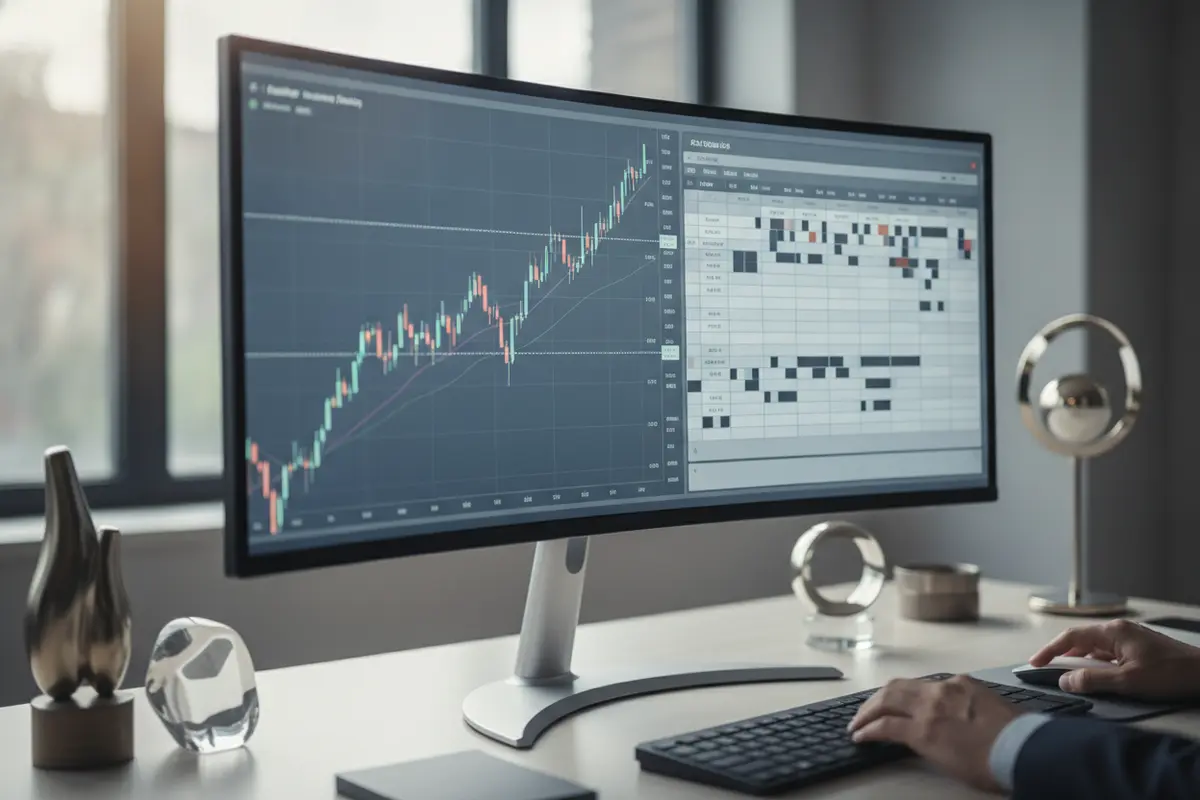
What are the limitations of max pain for 0DTE options?
For 0DTE options, max pain is especially limited as a real-time guide because the estimate does not describe the full intraday process. SPXGODFATHER encourages traders to distinguish an expiration calculation from live market information. Rapidly changing prices, short time to expiration, data timing, and position management can all affect what an open-interest snapshot can tell you.
A same-day expiration can make the time between a displayed estimate and settlement feel important, but proximity in time does not make the calculation predictive. The displayed open interest may reflect a reporting snapshot rather than every intraday change. Even where current volume is available, volume alone does not establish the direction or purpose of trades.
Open-interest totals also do not capture every economic exposure. A market participant may hold offsetting positions in other strikes, expirations, or instruments. A calculation confined to one chain can omit those offsets. It cannot tell whether a participant intends to close, roll, hedge, or keep a contract through settlement.
Options values before expiration include more than intrinsic value. The max pain comparison is typically framed around hypothetical expiration values; it does not measure the changing time value or implied volatility before expiration. A level that appears important in an expiration calculation may not explain a premium’s intraday movement.
SPX options are index options with settlement conventions that traders must understand for the specific contract. Do not assume all expirations share the same settlement timing or mechanics. Confirm contract specifications through your broker or the relevant exchange materials before relying on an expiration label or planning around settlement.
For these reasons, avoid using a max pain chart as an automated entry or exit rule. It does not supply a stop, position size, probability, or maximum loss. It cannot replace current quotes, contract specifications, a review of liquidity, or a risk plan. Treat it as background information, and disregard it when the data is unclear or irrelevant to your method.
How can you test whether max pain adds useful context?
Test the idea with a written, timestamped process instead of selecting examples after the move. SPXGODFATHER encourages readers to separate a tool’s calculation from the interpretation attached to it. A simple observation log can show whether max pain adds repeatable information to your own review, without treating a handful of memorable sessions as proof of predictive power.
- Write down the question in advance. For example, ask whether the calculated level is relevant to a particular expiration and what observable information would make it more or less relevant. Do not phrase the question as a claim that price must reach it.
- Capture the full snapshot. Record the displayed level, expiration, data source, time checked, and the current underlying level. Note whether the open-interest figures are delayed or their update time is unclear. Save enough context to reproduce the observation later.
- State what would count as evidence. Define the observation window and the comparison you intend to make before looking at the final outcome. For example, you might note whether price approached a reference area during a stated interval. Avoid changing the interval after seeing what happened.
- Include sessions that do not fit. A useful log records occasions when price moved away, the estimate shifted, or the proposed relationship was not visible. Keeping only favorable examples produces a distorted picture of how the tool behaves.
- Separate observation from trade results. A price touching a level does not establish that an option position could have been entered, managed, or closed profitably. Record the market observation separately from any hypothetical strategy and its costs, risks, and assumptions.
- Review a meaningful set of records. A few selected charts cannot establish a stable relationship. Look for limitations, data gaps, and changes in market context. If your records do not support a consistent use, leave the calculation out of your process.
This is not a promise that a log will validate max pain. It is a way to reduce hindsight bias and make the reasoning visible. A backtest can also mislead if it uses data that would not have been available at the decision time, switches between expirations without a rule, or counts a level as relevant only when it appears to work.
Keep the distinction between market observation and actionable trade decision explicit. If a review suggests that price sometimes trades near an estimate, that alone does not identify a cause, establish a probability, or show that a strategy has positive expected results after costs. A relationship in historical data can weaken, disappear, or fail in future conditions.
When comparing two tools or methods, keep the inputs and observation rules consistent. Otherwise, a different result could come from different open-interest updates, expiration selection, or strike coverage rather than from a meaningful change in market behavior. Uncertainty about data quality is itself a reason to lower confidence in the display.
How does max pain differ from support and resistance?
Max pain is derived from an options open-interest calculation, while support and resistance describe areas traders identify from price behavior or other methods. SPXGODFATHER keeps these concepts distinct because they answer different questions. Neither label guarantees that price will hold, reverse, or reach a particular level.
A max pain figure comes from a selected set of outstanding options and an assumed expiration calculation. A support or resistance area may be drawn from prior highs and lows, repeated reactions, or a trader’s chosen framework. The inputs differ, the method differs, and the label does not make either level inherently reliable.
Two references can overlap by coincidence. If they do, that overlap may prompt a trader to examine the market more closely, but it does not validate a position by itself. It is also possible for the references to disagree. The disagreement is not a reason to force a conclusion; it is a reminder that analytical tools are summaries, not commands.
Keep a record of why each reference is on the chart. For max pain, include the expiration, data source, and timestamp. For a price-based level, record the method used to identify it. Clear definitions make later review more useful and reduce the temptation to rename a level after the market moves.
How can traders evaluate a max pain tool?
A useful max pain tool makes its inputs and scope clear enough for a reader to check. SPXGODFATHER suggests looking for the selected expiration, open-interest source or date, strike coverage, and a plain explanation of the calculation. If a tool leaves these details opaque, its output is difficult to compare or responsibly interpret.
- Expiration: Is the contract date displayed clearly, and can you distinguish it from other listed expirations?
- Data freshness: Does the tool explain when open interest was updated? Does it distinguish open interest from current volume?
- Strike coverage: Are the included calls and puts visible, or could a limited strike range omit relevant positions?
- Calculation convention: Does the provider explain whether and how contract multipliers or other assumptions are applied?
- Output presentation: Is the result labeled as a calculation, rather than framed as a guaranteed target, forecast, or instruction?
- Repeatability: Can you reproduce the result from the displayed inputs, or at least understand why a separate calculator could differ?
Be cautious with claims that imply a max pain level reliably predicts price or that a specific trading outcome follows from it. The arithmetic can be transparent while the inference remains uncertain. A chart is only as informative as its data and the question it is being used to answer.
For broader education on same-day options, review SPXGODFATHER’s risk-first introduction to 0DTE and its step-by-step SPX options guide. These resources can help clarify terminology and process, but they do not remove the risk of trading or provide a personal recommendation.
Ready to observe a live SPX trading room?
Observation can help experienced traders study how a live educational discussion handles decisions in real time. SPXGODFATHER broadcasts live trades with the strike and cost announced before purchase, so viewers can follow the discussion and prepare to observe. The room is for education, not a promise of results or a substitute for independent judgment.
If you want to see how a live session works, review the SPXGODFATHER day-pass information. The published offer details and participation terms should be checked on the page before signing up. The room is designed for active SPX traders who can be present during weekday market hours and who understand that options can result in substantial losses.
For additional context about the instructor and program, see Dr. Rolf Haag’s profile, the press and disclosures page, and the site’s membership pricing information. For the program’s written risk and legal terms, read the legal terms and risk disclosures. Review all terms before deciding whether to participate.
See how to observe the live room
Frequently Asked Questions
These concise answers reinforce what max pain can and cannot show. SPXGODFATHER treats the estimate as educational context, not an individual recommendation. The basic idea is straightforward, but its usefulness depends on the data, expiration, and limits of the calculation.
What does max pain mean in options?
It is the hypothetical expiration level at which the combined modeled intrinsic value of included outstanding options is lowest, using a selected open-interest data set. It is not a forecast, guaranteed settlement price, or instruction to trade.
Is max pain a reliable predictor of SPX price?
No calculation based on open interest alone can establish where SPX will trade or settle. Max pain does not reveal every participant’s position, hedge, intention, or future action. Treat it as one limited reference, not a standalone prediction.
Does max pain change for each expiration?
It can. Each expiration has its own positions and open-interest distribution, so a result for one date should not be assumed to apply to another. Always confirm the contract date, strike coverage, and data timestamp shown by the calculator.
Does max pain include option premiums?
The common max pain calculation compares modeled intrinsic value at hypothetical expiration levels. It is not a full account of premiums paid or received, time value before expiration, hedges, trading costs, or actual participant profit and loss.
Can max pain be used as a 0DTE entry signal?
It does not provide an entry, timing rule, stop, position size, or probability. A trader who reviews it should compare it with independent information and a defined risk plan, and should not enter a position solely because price is near the estimate.
What should you remember about max pain options?
Max pain options is a simplified open-interest calculation that can describe one expiration snapshot, but it cannot forecast SPX. SPXGODFATHER encourages traders to verify the inputs, keep the expiration clear, and test whether the estimate adds useful context. A disciplined plan, independent judgment, and respect for options risk matter more than a single displayed level.
Use the calculation to frame a question, not to supply an answer the data cannot support. If you cannot identify the source, data date, strike coverage, and expiration behind the number, set it aside. Every options trade carries risk, and losses can be substantial. Educational material does not guarantee outcomes or make a trade suitable for any individual.
Related reading: understand diagonal spreads and explore the SPXGODFATHER educational resources.
